
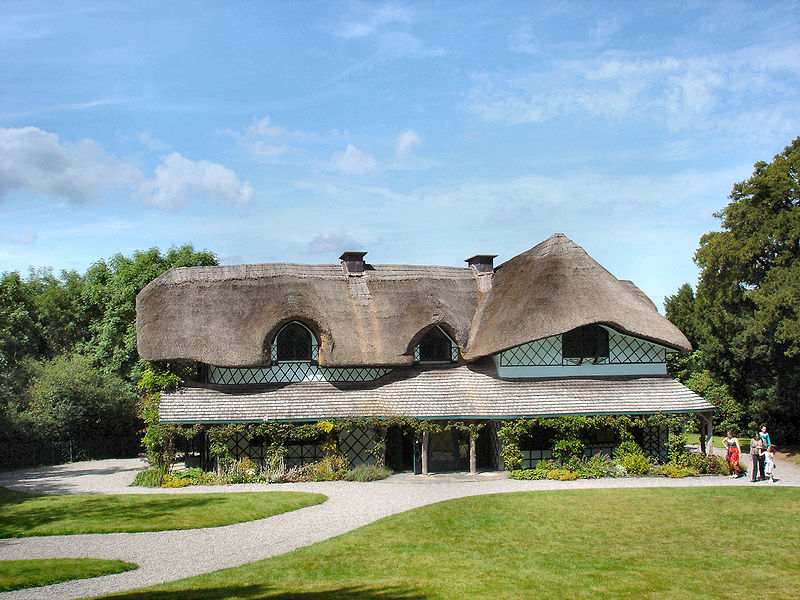
The performance of thatch depends on roof shape and design, pitch of roof, position — its geography and topography — the quality of material and the expertise of the thatcher.
Thatch has some natural properties that are advantageous to its performance. It is naturally weather-resistant,and when properly maintained does not absorb a lot of water. There should not be a significant increase to roof weight due to water retention. A roof pitch of at least 50 degrees allows precipitation to travel quickly down slope so that it runs off the roof before it can penetrate the structure.
Thatch is also a natural insulator, and air pockets within straw thatch insulate a building in both warm and cold weather. A thatched roof will ensure that a building will be cool in summer and warm in winter.
Thatch also has very good resistance to wind damage when applied correctly.
Water must run down and not be able to pool

roundhouse scotland recreation

Thatched houses are harder to insure because of the perceived fire risk, and because thatching is labour intensive it is much more expensive to thatch a roof than to cover it with slate or tiles. Birds can damage a roof while they are foraging for grubs, and rodents are attracted by residual grain in straw.


images via http://www.gearrannan.com/
info via wiki
